
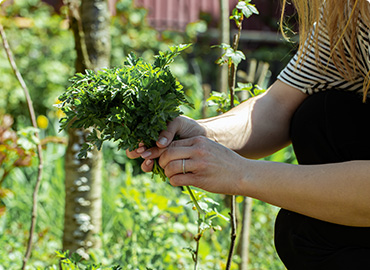
Spring is a crucial time for fertilizing your garden or lawn as it marks the beginning of the growing season. Proper fertilization in spring helps to kickstart growth, replenish nutrients in the soil, and ensure that plants have the energy they need to thrive throughout the year. Here are some key considerations for using fertilizer in the spring:
Timing: Fertilize early in the spring, just as plants begin to emerge from their winter dormancy. This is typically when the soil has warmed up, and plants are starting to actively grow.
Soil Testing: Conduct a soil test to understand the nutrient needs of your soil. This will help you choose the right type of fertilizer and apply it in the correct amounts.
Type of Fertilizer: Use a balanced fertilizer or one suited to the specific needs of your plants. For general purposes, a fertilizer with an equal ratio of nitrogen (N), phosphorus (P), and potassium (K) is often recommended (e.g., 10-10-10). However, some plants may benefit from fertilizers with higher levels of a specific nutrient.
Application Method: Follow the instructions on the fertilizer package for the correct application rate and method. Over-fertilizing can harm plants and lead to nutrient runoff.
Watering: Water the soil after applying fertilizer to help it dissolve and reach the plant roots. This also helps to reduce the risk of nutrient runoff.
Organic Options: Consider using organic fertilizers, such as compost or well-rotted manure, which can improve soil structure and provide a slow release of nutrients.
Avoid Late Application: Fertilizing too late in the spring can lead to excessive growth that may not harden off before the summer heat, making plants more vulnerable to stress and pests.
By properly fertilizing in the spring, you can give your garden or lawn a strong start and set the stage for a healthy and productive growing season.
Leave A Comment